Hi All
The Sunday Cabin will be closed for now. Thanks for your support.
Graham
CBWG Chair
The Reserve will be open for walks as normal. Always maintain at least 2 metres from others. STAY SAFE
Wednesday, 6 May 2020
Saturday, 2 May 2020
Bird sightings -April 2020
57
species in total. A very good total considering the lockdown
situation and the recorders are visiting much less often for their
allowable exercise.
The
highlight is undoubtedly the sighting of common scoter. Scoters are
sea ducks and at the beginning of the month there was a large
movement from the west coast to the east. Looks like we had some
tired individuals stopping off for a rest.
The
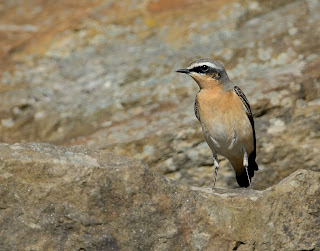
Spring migrants have started to arrive. The highlight of these were
some very obliging wheatear. An uncommon bird at our reserve.
Many
thanks to all the contributors especially Mike Henshaw, Jeff Milne
and Graham Haigh.
Cromwell
Bottom Bird Sightings April 2020
Mute
Swan Great Black Backed Gull Willow Warbler
Greylag
Goose Stock Dove Chiffchaff
Canada
Goose Wood Pigeon Wren
Mallard
Kingfisher Great Tit
Common
Scoter Great Spotted Woodpecker Coal Tit
Goosander
Skylark Blue Tit
Little
Grebe Sand Martin Long-tailed Tit
Cormorant
Swallow Nuthatch
Grey
Heron House Martin Magpie
Buzzard
Meadow Pipit Jay
Sparrowhawk
Pied Wagtail Jackdaw
Kestrel
Grey Wagtail Rook
Moorhen
Dunnock Carrion Crow
Coot
Robin Starling
Oystercatcher
Wheatear Chaffinch
Black-headed
Gull Song Thrush Goldfinch
Common
Gull Mistle Thrush Bullfinch
Herring
Gull Blackbird Greenfinch
Lesser
Black Backed Gull Blackcap Reed B
Posted
by Vic
Monday, 27 April 2020


Monday, 20 April 2020


Sunday, 19 April 2020
Kingfisher
Yesterday, Saturday, I saw a kingfisher on the Calder, downstream from St Stephen’s Church, across from the rugby field, on the North Dean Woods side. Might there be a nest in the sandy bank there?
Saturday, 4 April 2020
Subs and membership fees
HI everyone we as a group hope you are all keeping well and safe please keep up to the social disstanceing and lets hope it goes away soon . In that vain we are suspending subs and fees untill September which will then be half price ,for anyone who has already paid we will give you half price membership next year. if by any chance anyone would like to donate or pay a full years Subs we wont refuse them and class them as a donation. We hope to be back up and running by September . yours Graham
Thursday, 2 April 2020


Wednesday, 1 April 2020
Spring 2020 Newsletter
Spring 2020 Newsletter is now available!
Here is a direct link to the latest offering from the Newsletter team (Lyn, Jane and Val). It is all about the Thursday and Sunday Volunteers who make things happen at the Reserve, and a wonderful update from the Bee Hives in Calderdale (thank you Roger!).
Enjoy, and as usual please send in any comments, articles, photos to the newsletter email address on the back page.
Sunday, 29 March 2020
Friday, 20 March 2020
March Flowers
As volunteering sessions are suspended for the foreseeable future I spent some of my social distancing time on Thursday walking around the reserve to see what flowers are out. Here is a selection.
Next to the car park there are a number of Flowering Current (Ribes sanguineum) shrubs currently in flower. It's a garden escape which seems to have very successfully escaped to Cromwell Bottom. If you look closely at the pink flowers you will see that they have five outer splayed petals, and five inner petals that form a tube. They are in hanging racemes (flower cluster with the separate flowers attached by short equal stalks). The leaves have 3 to 5 rounded lobes.

There are many Blackthorn (Prunus spinosa) trees around the reserve. They are usually smallish looking more like a large bush than a tree but can be easily recognised at this time of the year as they have white flowers but no leaves. The white flowers contrast starkly with the black or very dark wood (hence the name). The flowers have five rounded white petals with numerous stamens.

During the year the Sloes develop which can be picked in Autumn to flavour your gin or make Sloe jam but watch out for those sharp thorns!
One of the earliest dandelion look-a-likes to appear in the year is Coltsfoot (Tussilago farfara). You will see it flowering without leaves, the disproportionate sized leaves appear later usually after flowering has finished. The stems are scaly and sometimes red.


See this picture of a Dandelion (Taraxacum agg.) for comparison, a few early ones are already out:

2 members of the Buttercup family are currently displaying.
Marsh Marigolds (Caltha palustris) have been out for several weeks already. You can see them in the course of the disused canal opposite the dipping ponds, they like wet conditions. They look like very large buttercups but with large very un-buttercup like leaves

Lesser Celandines (Ficaria verna) are just appearing, they are low growing and are in a number places in the reserve, the one I photographed was by the river. The number of yellow petals is variable, the outers are green tinged. The leaves are glossy and heart shaped.


There will be much more to emerge in the coming weeks.
As volunteering sessions are suspended for the foreseeable future I spent some of my social distancing time on Thursday walking around the reserve to see what flowers are out. Here is a selection.
Next to the car park there are a number of Flowering Current (Ribes sanguineum) shrubs currently in flower. It's a garden escape which seems to have very successfully escaped to Cromwell Bottom. If you look closely at the pink flowers you will see that they have five outer splayed petals, and five inner petals that form a tube. They are in hanging racemes (flower cluster with the separate flowers attached by short equal stalks). The leaves have 3 to 5 rounded lobes.

There are many Blackthorn (Prunus spinosa) trees around the reserve. They are usually smallish looking more like a large bush than a tree but can be easily recognised at this time of the year as they have white flowers but no leaves. The white flowers contrast starkly with the black or very dark wood (hence the name). The flowers have five rounded white petals with numerous stamens.

During the year the Sloes develop which can be picked in Autumn to flavour your gin or make Sloe jam but watch out for those sharp thorns!
One of the earliest dandelion look-a-likes to appear in the year is Coltsfoot (Tussilago farfara). You will see it flowering without leaves, the disproportionate sized leaves appear later usually after flowering has finished. The stems are scaly and sometimes red.


See this picture of a Dandelion (Taraxacum agg.) for comparison, a few early ones are already out:

2 members of the Buttercup family are currently displaying.
Marsh Marigolds (Caltha palustris) have been out for several weeks already. You can see them in the course of the disused canal opposite the dipping ponds, they like wet conditions. They look like very large buttercups but with large very un-buttercup like leaves

Lesser Celandines (Ficaria verna) are just appearing, they are low growing and are in a number places in the reserve, the one I photographed was by the river. The number of yellow petals is variable, the outers are green tinged. The leaves are glossy and heart shaped.


There will be much more to emerge in the coming weeks.
Thursday, 12 March 2020
Moth Night sat 14th
Arrivals from 6.30pm - warm clothing, torch, & good footwear the usual requirements.
See whoever then.
Saturday, 29 February 2020
February 2020 Bird sightings
| Cromwell Bottom Bird Sightings February 2020 | ||
| Mute Swan | Dunnock | |
| Canada Goose | Robin | |
| Mallard | Song Thrush | |
| Teal | Redwing | |
| Goldeneye | Mistle Thrush | |
| Goosander | Fieldfare | |
| Cormorant | Blackbird | |
| Grey Heron | Goldcrest | |
| Buzzard | Wren | |
| Sparrowhawk | Great Tit | |
| Kestrel | Coal Tit | |
| Water Rail | Blue Tit | |
| Moorhen | Long-tailed Tit | |
| Coot | Nuthatch | |
| Snipe | Treecreeper | |
| Black-headed Gull | Magpie | |
| Common Gull | Jay | |
| Herring Gull | Jackdaw | |
| Lesser Black Backed Gull | Rook | |
| Stock Dove | Carrion Crow | |
| Wood Pigeon | Chaffinch | |
| Kingfisher | Linnet | |
| Green Woodpecker | Redpoll | |
| Great Spotted Woodpecker | Goldfinch | |
| Meadow Pipit | Siskin | |
| Grey Wagtail | Bullfinch | |
| Greenfinch | ||
| Reed Bunting | ||
Cromwell Bottom Access
PLEASE NOTE
There is no access from Elland to Cromwell Bottom as the road is subsiding.
Access from Brookfoot is as normal.
From Halifax the best way is via Southowram and down to Brookfoot.
If you are in Elland then go via Lower Edge Road and down to Brighouse that way.
This takes another 10 to 15 mins.
There is no access from Elland to Cromwell Bottom as the road is subsiding.
Access from Brookfoot is as normal.
From Halifax the best way is via Southowram and down to Brookfoot.
If you are in Elland then go via Lower Edge Road and down to Brighouse that way.
This takes another 10 to 15 mins.
Wednesday, 26 February 2020
Moth night Sat 29th
Last week was a catch up so this week Saturday 29th is a planned one.
6.00pm arrivals, usual Torch, warm clothing, & footwear for muddy paths if walking the wood checking the Goo (sugaring),
6.00pm arrivals, usual Torch, warm clothing, & footwear for muddy paths if walking the wood checking the Goo (sugaring),
See Whoever then.
Thursday, 13 February 2020
Moth night Sat 22nd
Cancelled tonight due to heavy rain + high winds which when combined = NO MOTHS.
So we just move it to next week Sat 22nd, 6.00pm arrivals, usual Torch, warm clothing, & footwear for muddy paths if walking the wood checking the Goo (sugaring),
So we just move it to next week Sat 22nd, 6.00pm arrivals, usual Torch, warm clothing, & footwear for muddy paths if walking the wood checking the Goo (sugaring),
See Whoever then.
Wednesday, 5 February 2020


Friday, 31 January 2020
January 2019 Bird Sightings
Below are all the reported bird sightings for Cromwell Bottom nature
reserve in January 2020. Many thanks to all who contributed, most
especially Mike Henshaw and Jeff Milne.
Highlight is undoubtably the over-wintering chiffchaff but the long
staying water rail on the lagoon is also worth a mention.
55 birds in total.
Cromwell Bottom Bird Sightings January 2020 | ||
| Mute Swan | Dunnock | |
| Pink-footed Goose | Robin | |
| Grey Lag Goose | Song Thrush | |
| Canada Goose | Redwing | |
| Mallard | Mistle Thrush | |
| Goldeneye | Fieldfare | |
| Goosander | Blackbird | |
| Little Grebe | Chiffchaff | |
| Cormorant | Goldcrest | |
| Grey Heron | Wren | |
| Buzzard | Great Tit | |
| Sparrowhawk | Coal Tit | |
| Kestrel | Blue Tit | |
| Water Rail | Long-tailed Tit | |
| Moorhen | Nuthatch | |
| Coot | Treecreeper | |
| Woodcock | Magpie | |
| Black-headed Gull | Jay | |
| Common Gull | Jackdaw | |
| Herring Gull | Rook | |
| Lesser Black Backed Gull | Carrion Crow | |
| Stock Dove | Chaffinch | |
| Wood Pigeon | Linnet | |
| Barn Owl | Goldfinch | |
| Kingfisher | Siskin | |
| Great Spotted Woodpecker | Bullfinch | |
| Grey Wagtail | Greenfinch | |
| Reed Bunting | ||
Thursday, 30 January 2020
Saturday, 25 January 2020
Cromwell Bottom Birds
I haven't posted images on the blog for quite some time. Here's just a handful of the birds that call Cromwell Bottom their home and are part of the impressive list of all that do. Enjoy!
Ric J
 |
| Great Tit |
 |
| Robin |
 |
| Coal Tit |
 |
| Bullfinch |
 |
| Long-tailed Tit |
Thursday, 23 January 2020
2019 Cromwell Bottom NR Bird Species list
Below is the list of all the species of birds seen on the Cromwell Bottom Nature reserve in 2019. There is a total of 92 different species.
| ||||||||||||||||||||||||||||||||||||||||||||||||||||||||||||||||||||||||||||||||||||||||||||||||||||||||||||||||||||||||||||||||||||||||||||||||||||||||||||||||||||||||||||||||||||||||||||||||||
A few highlights worth mentioning:
1) A few years ago the trustees set themselves the task of trying to attract a few key species to breed on the reserve for probably the first time. Success was achieved in definitely attracting barn owl and probably attracting skylark. Much work has gone on behind the scenes to attract these locally rare breeding birds to the reserve.
2) Sightings were made of 2 different egret species. It is not many years since these became regular visitors to southern England but they are now moving further north. It will not be long before they become regular visitors to the reserve?
| ||||||||||||||||||||||||||||||||||||||||||||||||||||||||||||||||||||||||||||||||||||||||||||||||||||||||||||||||||||||||||||||||||||||||||||||||||||||||||||||||||||||||||||||||||||||||||||||||||
Wednesday, 8 January 2020
Moth Night Sat 11th
First one for the year 4.30pm start.
Essentials are warm clothing, torch, & good footwear if walking the wood checking sugaring.
See you there.
Tuesday, 7 January 2020
New Viewing Platform
We are pleased to announce a new viewing platform at Cromwell Reserve that has been commissioned by Calderdale Council
. This has been funded from The Brighouse Ladies Circle ,Tesco’s through there plastic bag fund and Cromwell Bottom Wildlife Group this provides visitors of all ages and abilities with a safe platform from which to view the lagoon and enjoy watching the visiting birds and wildfowl . Visitors may see glimpses of the elusive Water Rail and Little Grebe whilst Reed Buntings and Reed Warblers flit across the reeds or just sit a while and watch the world go by. Yours Cromwell Trustees
. This has been funded from The Brighouse Ladies Circle ,Tesco’s through there plastic bag fund and Cromwell Bottom Wildlife Group this provides visitors of all ages and abilities with a safe platform from which to view the lagoon and enjoy watching the visiting birds and wildfowl . Visitors may see glimpses of the elusive Water Rail and Little Grebe whilst Reed Buntings and Reed Warblers flit across the reeds or just sit a while and watch the world go by. Yours Cromwell Trustees
Thursday, 2 January 2020
New Years Day Annual Bird Count and Walk
I
I am taking the liberty of posting this on the Cromwell Bottom Blog because two members (or a member - MC - and her husband,) were keen enough to join us on 1st January, and Margaret found the final bird of the day, a male Bullfinch, making the count equal last year's record.
The regular route is from Clay House Park, through North Dean Woods, around Norland Moor and back throught North Dean by a different path. (About 7 miles.)

Mick Harrop photo
2nd January 2020
These New Year's Day Bird Counts have settled into a run of consistent results. This year and 2019 had equal numbers of species with 32; in 2017 the tally was 31. Fine weather is a factor. Given a foul day the count would be lower obviously; we have been lucky these last three times.
As above the two last counts were 32 and it is interesting to look at the similarities and differences in the two counts.
There were 23 species in common to both counts, 1st Jan 2019 and 1st Jan 2020:
Blue, Great, Coal and Long-tailed Tits, Nuthatch, Chaffinch, Bullfinch, House Sparrow, Starling, Blackbird, Mistle Thrush, Redwing, Robin, Collared Dove, Woodpigeon, Feral Pigeon, Jay, Crow, Magpie, Jackdaw, Rook, Black-headed Gull, Buzzard.
Nine species in 2019 but not 2020: Dipper, Dunnock, Wren, Raven, Pheasant, Stonechat, Little Owl, Mallard, Song Thrush.
And there were nine species in 2020 but not in 2019: Heron, Goldfinch, Reed Bunting, Fieldfare, Redpoll, Treecreeper, Great Spotted Woodpecker, Greenfinch, Common Gull.
The Fieldfares were in a huge flock covering two fields, very impressive, and the Redpolls were flitting charmingly through the trees along the top of North Dean Woods feeding from the birch seed-heads.
With thanks to the participants in the walk yesterday, 10 in total (8 in 2019.) All played a part in the final count on the walk as well as bringing their sightings from home first thing and on the way to the meet (without detours to sites with localised species.)
Two of us thought we heard a single note from a Green Woodpecker at the lower edge of Norland Moor where they are often present, but it was very brief so I decided not to include it.
There was some discussion whether to include domestic fowl, etc. I maintained they are bird species, others thought we should stick purely to self-sufficient wild or feral birds.
The bad news about the Little Owls adjacent to Norland Moor is that Jackdaws usurped them from their tree hole last spring so that's probably why we didn't see them all summer or this winter. Jackdaws in tree holes have become the norm throughout Calderdale. At one time I used to see them using only holes in old buildings and crevices in quarry rock-faces, where they still nest.
These counts are samples of the current state of local birds. Who would have thought a few decades ago that Nuthatch and Buzzard would be seen regularly? Also to run into a Raven isn't that unusual now, and to find a Song Thrush or a Greenfinch is a fairly noteworthy event.
These records might be interesting to read in the future. Another way of "sampling" bird populations is to time a count on a walk, noting every species. I seem get about 14 species on a good day in half an hour, though I haven't sat down with my notebooks to work out the average. It's OK to count a bird if you identify it without doubt by its call or song. The habitat needs recording; upland, waterside or woodland, etc.
Perhaps we could initiate a regular Spring Bird Count every May-day on 1st May?
SB
Subscribe to:
Posts (Atom)